Jilin City
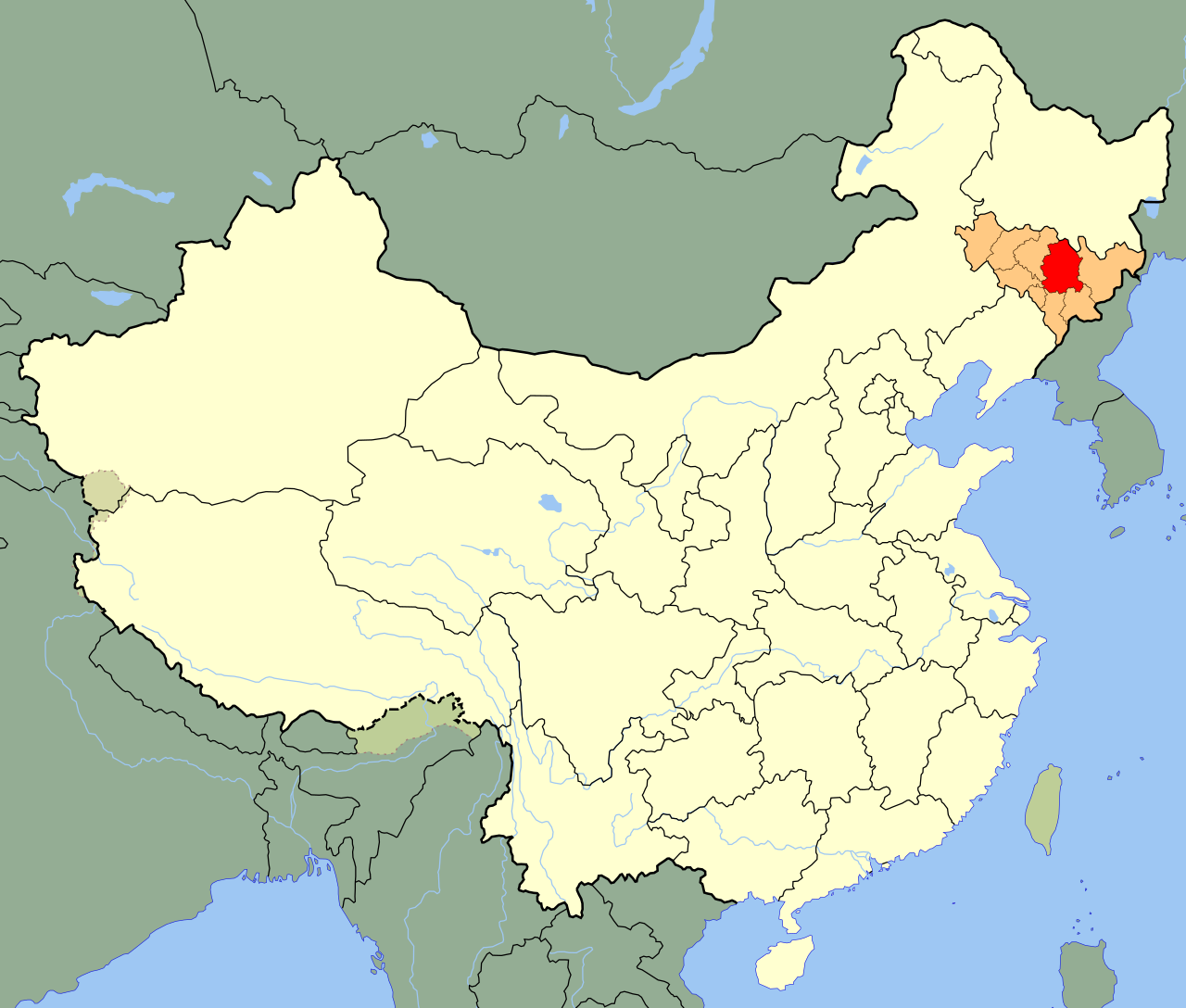
Capital and largest city of Jilin Province, northeast China.

via Wikipedia: Changchun · see source
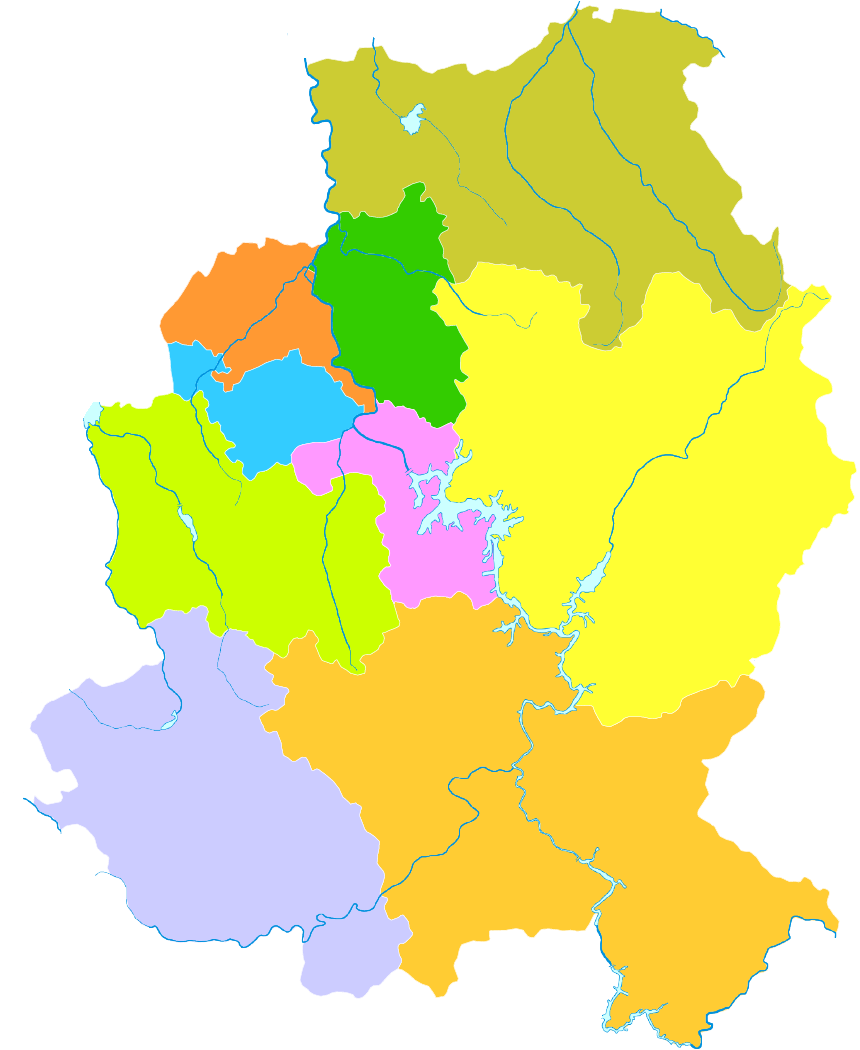
Changchun is the capital and largest city of Jilin Province, China, on the Songliao Plain. Changchun is administered as a sub-provincial city, comprising seven districts, one county and three county-level cities. At the 2020 census of China, Changchun had a population of 9,066,906. Changchun's metro area, comprising five districts and one development area, had a population of 5,019,477. Shuangyang and Jiutai districts are not urbanized yet. It is one of the biggest cities in Northeast China, along with Shenyang, Dalian and Harbin. The name of the city means "long spring" in Chinese. Between 1932 and 1945, Changchun was renamed Xinjing (Chinese: 新京; pinyin: Xīnjīng; lit. 'new capital') or Hsinking by the Kwantung Army as the capital of the Imperial Japanese puppet state of Manchukuo, occupying modern Northeast China. After the foundation of the People's Republic of China in 1949, Changchun was established as the provincial capital of Jilin in 1954.
- Population (2020 census)
- 9,066,906 (administrative area); 5,019,477 (metro area)
- Area
- Not stated in source
- Province
- Jilin, northeast China
- Known for
- City of Automobiles; Detroit of China; National Garden City (2001); top 30 city
- Former capital of
- Jilin province (1954)
- Climate
- Not stated in source
Verified Timeline
Lore & Background
Changchun was initially established on imperial decree as a small trading post and frontier village during the reign of the Jiaqing Emperor in the Qing dynasty. Trading activities mainly involved furs and other natural products during this period. In 1800, the Jiaqing Emperor selected a small village on the east bank of the Yitong River and named it "Changchun Ting". At the end of the 18th century peasants from overpopulated provinces such as Shandong and Hebei began to settle in the region. In 1889, the village was promoted into a city known as "Changchun Fu". In May 1898, Changchun got its first railway station, located in Kuancheng, part of the railway from Harbin to Lüshun (the southern branch of the Chinese Eastern Railway), constructed by the Russian Empire. After Russia's loss of the southernmost section of this branch as a result of the Russo-Japanese War of 1904–1905, the Kuancheng station became the last Russian station on this branch. The next station just a short distance to the south—the new "Japanese" Changchun station—became the first station of the South Manchuria Railway, which then owned all the tracks running farther south, to Lüshun. A special Russo-Japanese agreement of 1907 provided that Russian gauge tracks would continue from the "Russian" Kuancheng Station to the "Japanese" Changchun Station, and vice versa. An epidemic of pneumonic plague occurred in surrounding Manchuria from 1910 to 1911, known as the Manchurian plague, which ultimately claimed 60,000 victims. On 10 March 1932 the capital of Manchukuo, a Japan-controlled puppet state in Manchuria, was established in Changchun. The city was then renamed Hsinking on 13 March. The Emperor Puyi resided in the Imperial Palace which is now the Museum of the Manchu State Imperial Palace. During the Manchukuo period, the region experienced harsh suppression, brutal warfare on the civilian population, forced conscription and labor and other Japanese sponsored government brutalities; at the same time a rapid industrialisation and militarisation took place. Hsinking was a well-planned city with broad avenues and modern public works. Many of buildings built during the Japanese colonial era still stand today, including those of the Eight Major Bureaus of Manchukuo as well as the Headquarters of the Japanese Kwantung Army.
Reader's Guide
Changchun is known locally as China's "City of Automobiles" and is an important industrial base with a particular focus on the automotive sector. Because of its key role in the domestic automobile industry, Changchun was sometimes referred to as the "Detroit of China". The FAW Group, one of the "Big Four" state-owned car manufacturers of China, is headquartered in the city. Apart from this industrial aspect, Changchun is also one of four "National Garden Cities" awarded by the Ministry of Construction of P.R. China in 2001 due to its high urban greening rate. Changchun is also one of the top 30 cities in the world by scientific research as tracked by the Nature Index according to the Nature Index 2024 Science Cities. The city is home to several major universities, notably Jilin University and Northeast Normal University, members of China's prestigious universities in the Double First-Class Construction. The city's role as a rail hub was underlined in its planning and construction under Japanese control from 1907 to 1931. The comprehensive plan was to ensure the comfort required by Japanese employees on Manchurian Railways, build up Changchun into a base for Japanese control of the whole Manchuria. With the new Changchun railway station as its centre, the urban plan divided the South Manchuria Railway Affiliated Areas into various specified areas: residential quarters 15%, commerce 33%, grain depot 19%, factories 12%, public entertainment 9%, and administrative organs (including a Japanese garrison) 12%. Nearly ¥7 million on average was allocated on a year-by-year basis for urban planning and construction during the period 1907 to 1931.
Did You Know?
- The name Changchun means "long spring" in Chinese.
- Between 1932 and 1945, Changchun was renamed Xinjing (新京, meaning 'new capital') by the Kwantung Army as the capital of the puppet state of Manchukuo.
- Changchun was sometimes referred to as the "Detroit of China" due to its key role in the domestic automobile industry.
- The FAW Group, one of the "Big Four" state-owned car manufacturers of China, is headquartered in Changchun.
- Changchun is one of four "National Garden Cities" awarded by the Ministry of Construction of P.R. China in 2001.
From Fur-Trading Village to Provincial Capital
The name Changchun translates to "long spring" in Chinese, a poetic reference rooted in the city's earliest identity. What is now a sprawling metropolis of over nine million people began as a modest frontier village. In 1800, during the Qing dynasty's Jiaqing Emperor's reign, a small settlement on the east bank of the Yitong River was formally designated "Changchun Ting," serving primarily as a trading post for furs and natural products. Waves of peasants fleeing overpopulation in Shandong and Hebei provinces gradually settled the area through the late 18th century, and by 1889 the village had grown enough to be elevated to city status as "Changchun Fu." The city's identity was dramatically altered between 1932 and 1945, when the Kwantung Army imposed the name Xinjing—meaning "new capital"—as the seat of the Japanese puppet state Manchukuo. After the People's Republic was founded in 1949, Changchun was officially designated the provincial capital of Jilin in 1954, anchoring its modern administrative role.
Railway Crossroads and Geopolitical Tensions
Changchun's fate became inextricably linked to railways in the late 19th century. In May 1898, the Russian Empire constructed the city's first station at Kuancheng, part of the Harbin-to-Lüshun line. The Russo-Japanese War of 1904–05 redrew the map: Japan gained the southern section, and the Kuancheng station became the last Russian stop while a new "Japanese" Changchun station marked the beginning of the South Manchuria Railway. A 1907 Russo-Japanese agreement formalized the unusual arrangement where tracks of different gauges met at the two adjacent stations. Japan, recognizing Changchun's strategic position between its own interests, China, and Russia, invested heavily—nearly seven million yen annually from 1907 to 1931—into colonial urban planning centered on the new railway station. The city also became a tragic waypoint in 1910–1911, when pneumonic plague spread along the Trans-Manchurian railway from Manzhouli, ultimately claiming sixty thousand lives across Manchuria and Mongolia.
The City of Automobiles
Changchun has earned the local nickname "City of Automobiles" and the international moniker "Detroit of China," reflecting the central role the automotive sector plays in its economy. The FAW Group, one of China's four major state-owned car manufacturers, maintains its headquarters here, making the city a critical node in the nation's domestic automobile industry. This industrial identity sets Changchun apart from its Northeastern peers—Shenyang, Dalian, and Harbin—while still placing it among the region's largest urban centers. The city's sub-provincial administrative status, encompassing seven districts, one county, and three county-level cities, supports this heavy industrial base. Yet Changchun's character extends well beyond factory floors. In 2001, the Ministry of Construction recognized it as one of four "National Garden Cities" in the country, a distinction earned through its high urban greening rate. This pairing of heavy manufacturing and cultivated green spaces gives the city a distinctive duality that few industrial centers can claim.
Scale, Scholarship, and Modern Standing
As of the 2020 national census, Changchun's total population reached 9,066,906, with its core metro area—spanning five districts and one development zone—housing over five million residents. Two districts, Shuangyang and Jiutai, remain largely unurbanized, hinting at the city's continued outward growth. Beyond its industrial and administrative weight, Changchun has carved out a significant place in global science. The Nature Index 2024 Science Cities report ranked it among the top thirty cities worldwide for scientific research output. This scholarly standing is underpinned by institutions such as Jilin University and Northeast Normal University, both members of China's elite Double First-Class Construction program. For a city whose identity was long shaped by railways, colonial planning, and automobile assembly, this recognition as a research powerhouse represents a distinct and modern chapter in its long evolution from a fur-trading village to a major Northeastern metropolis.
Gallery
Frequently Asked Questions
What is Jilin City?
Jilin City is the capital and largest city in Jilin Province, located in northeast China on the Songliao Plain. It holds sub-provincial status and is made up of seven districts, one county, and three county-level cities.
What is Jilin City best known for?
It is widely nicknamed the 'City of Automobiles' and the 'Detroit of China' because of its massive auto-manufacturing industry. It also earned the title of National Garden City in 2001 and ranks among China's top 30 cities.
How large is Jilin City's population?
According to the 2020 census, the full administrative area was home to roughly 9.07 million people, while the core metro area—covering five districts and one development zone—held about 5.02 million residents.
What does the name 'Jilin City' mean?
The name translates to 'long spring' in Chinese, a reference to the natural springs that historically marked the settlement.
Why is Jilin City important in Northeast China?
Alongside Shenyang, Dalian, and Harbin, it is one of the region's largest and most economically significant urban centers. It also served as the provincial capital as far back as 1954, giving it deep administrative and cultural roots in the area.
More in Cities Starting With J 1-18
Spotted an error? Know more?
This is a living reference — every entry is fact-audited, and reader corrections feed straight into our audit queue. Suggest an edit · See this site's audit record